Functional Rehabilitation in Knoxville & Powell, TN
At Main Health Collective, we provide individualized functional rehabilitation for patients in Knoxville, Powell, Karns, Halls, Hardin Valley, Oak Ridge, Farragut, and surrounding communities.
Whether you're recovering from an injury, dealing with recurring pain, trying to get back to the activities you love, or looking to improve how you move and perform, our rehabilitation approach starts with understanding why you're moving the way you are, then building a plan to help you move better.
Functional Rehabilitation
Retraining the Body to Move Better, Stabilize Better, and Perform Better
An adjustment can restore motion to a restricted joint, but restoring motion is only part of the process. If the body doesn't have the strength, coordination, and control to use that motion effectively, the same movement limitations can continue to show up.
Functional rehabilitation is how we address what's happening beyond the painful area: retraining the body to develop better stability, coordination, strength, and movement control so you can move with greater confidence and resilience.
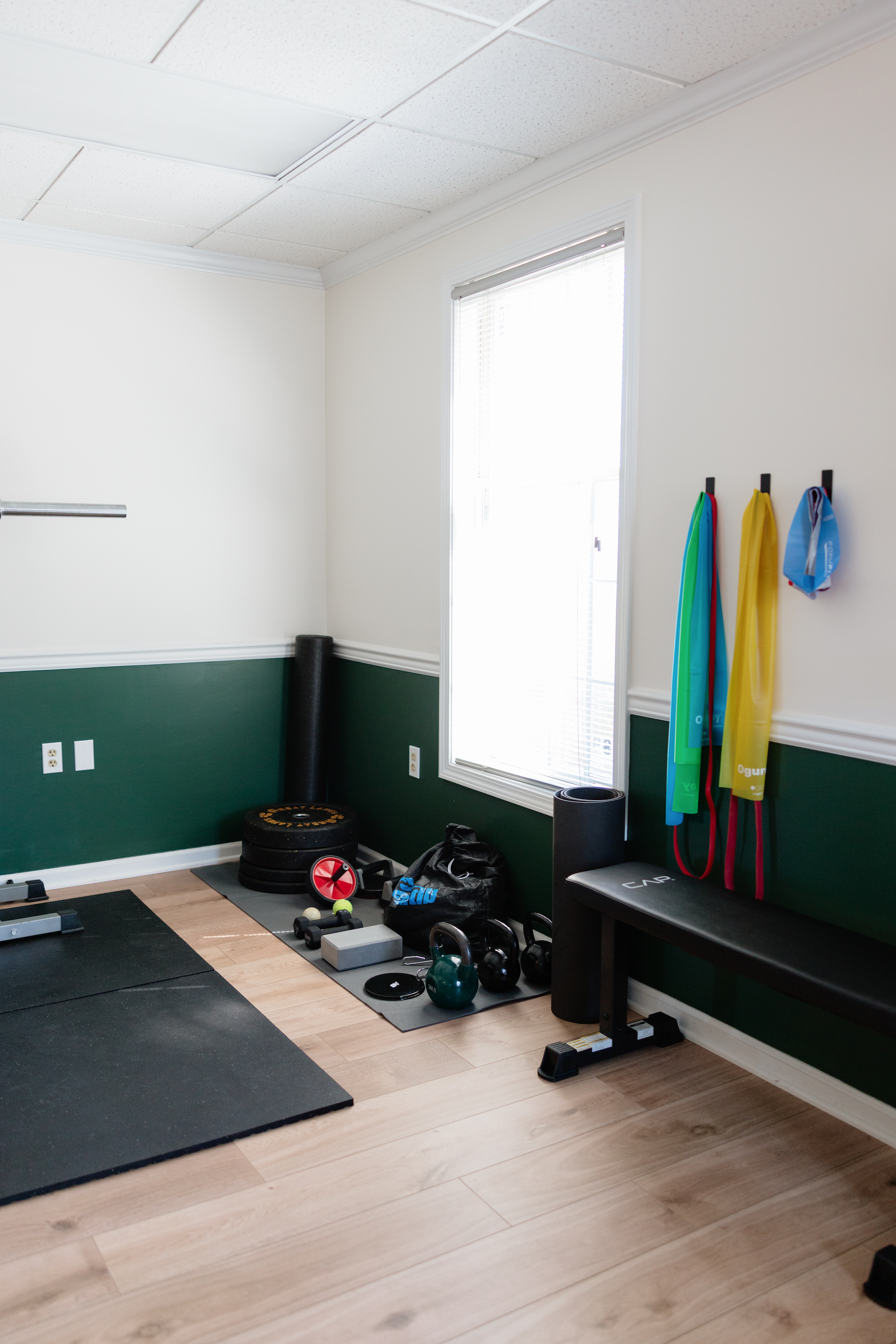
At Main Health Collective, functional rehabilitation is designed around how you actually move, what your body needs, and what you're trying to get back to, whether that's everyday activities, exercise, or competition.
Built on Developmental Movement Principles
Our rehabilitation approach draws on Dynamic Neuromuscular Stabilization (DNS), a framework based on developmental movement principles and the way the nervous system learns to coordinate movement and stability throughout early childhood development.
As we develop, we naturally learn to control our bodies through foundational movement patterns such as rolling, crawling, standing, walking, and running. Injury, inactivity, repetitive movement, and other factors can change how we move and how effectively we coordinate those patterns over time.
When movement becomes less efficient, the body often finds ways to compensate. Those compensations aren't necessarily the problem themselves; they're often the body's way of finding a solution. Our goal is to identify where movement and control can be improved, then progressively train those qualities.
Functional rehab helps build the strength, stability, coordination, and capacity needed to support better movement over time.
Why Functional Rehabilitation Matters
Restoring mobility is one part of recovery. Your body also needs to be able to control, load, and use that motion.
Think of it like fixing the alignment on a car: making one adjustment can change how everything moves, but you still need the rest of the system functioning properly to get the most out of it.
Functional rehabilitation helps reinforce the changes made through adjustments and other hands-on care by building the strength and control to support them.
How It Fits Into Your Care
Functional rehabilitation can be a standalone service or part of a broader plan at Main Health Collective. Hands-on care can help address what's restricted today.
Rehabilitation helps you build the capacity to keep moving well tomorrow. Depending on what you need, your care may combine chiropractic adjustments, soft tissue therapy, dry needling, and functional rehabilitation, or focus primarily on exercise and movement.
The goal isn't to keep you dependent on treatment. It's to give you the tools, strength, and confidence to manage your body and keep doing the things you love.
Our Assessment & Tools
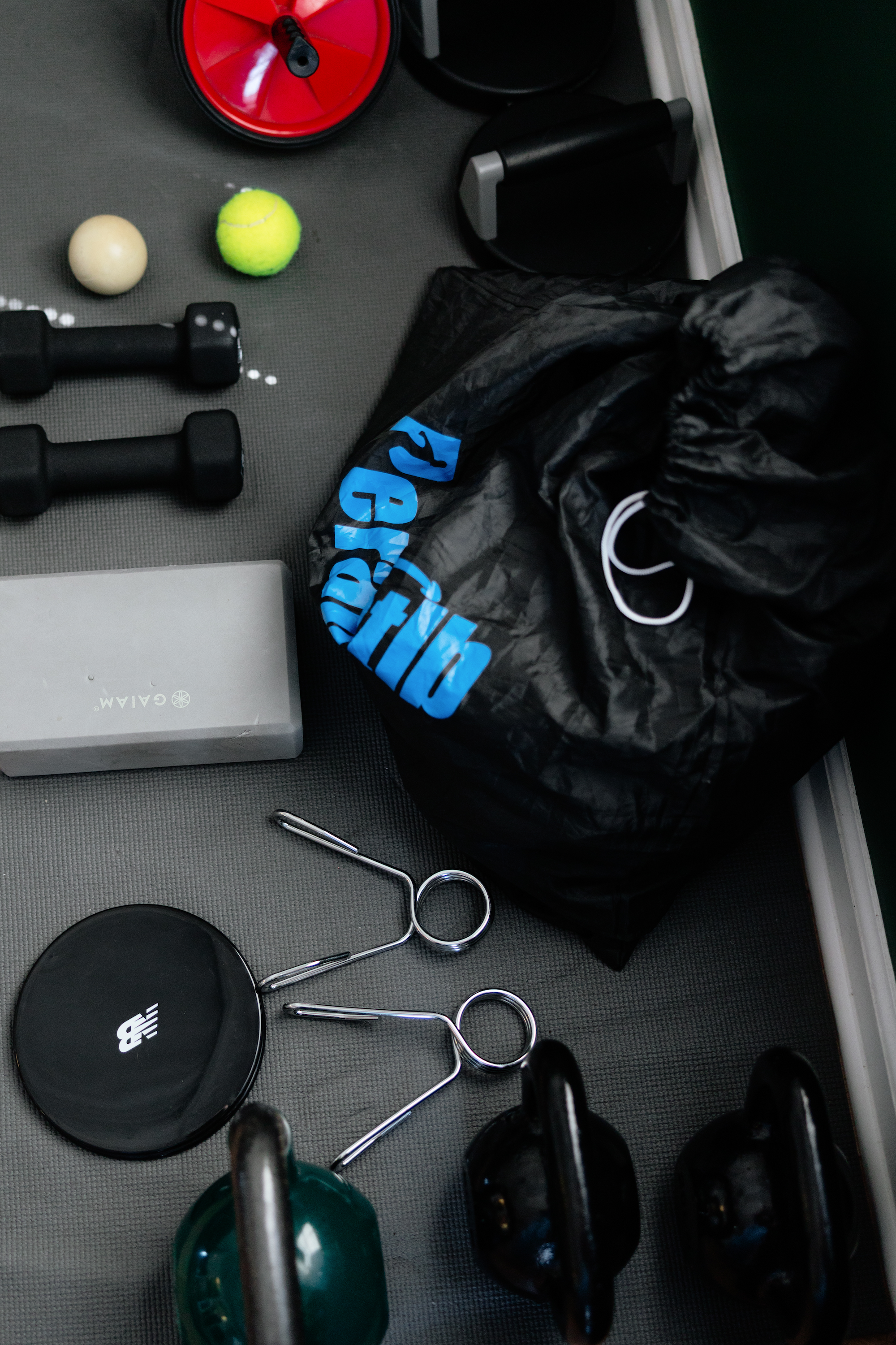
We don't prescribe the same exercises to everyone. Your rehabilitation plan starts with understanding how you move and where your current limitations are.
We use tools and frameworks including the Selective Functional Movement Assessment (SFMA), GRIP Approach (Global Rehabilitation and Injury Prevention), and DNS-based evaluation to assess movement patterns, mobility, stability, and areas that may be contributing to your limitations.
From there, your program may include:
DNS-based exercises: developing foundational breathing, stability, coordination, and movement patterns
Movement-based rehabilitation: targeted exercises to improve mobility, motor control, strength, and stability
Mulligan Technique: combining joint mobilization with active movement to improve function
Progressive strengthening: gradually building the capacity your body needs for daily life, exercise, and sport
Individualized progressions: adapting your program as your movement, strength, and goals change
What We Treat:
Functional rehabilitation can be useful for:
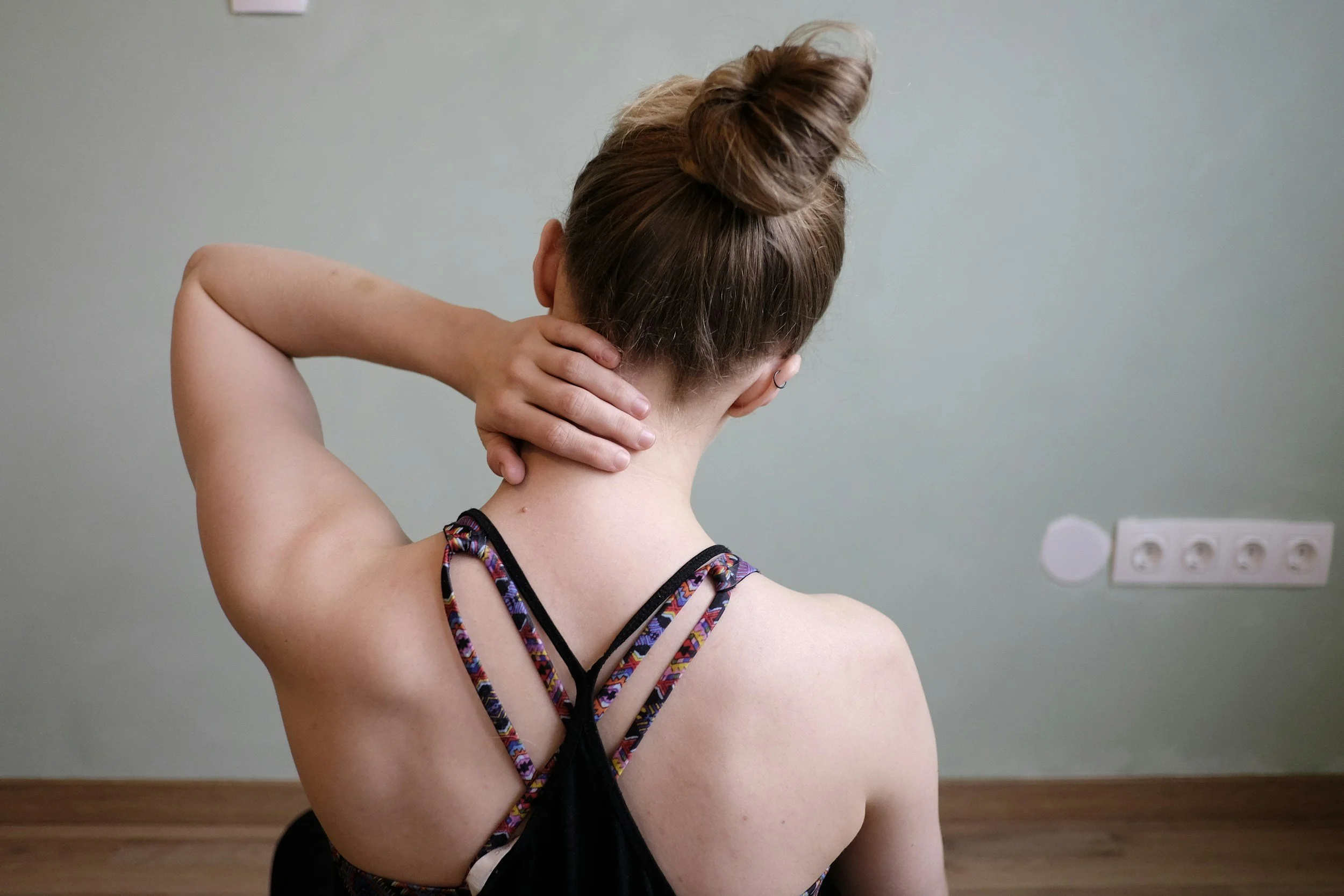
Chronic low back, mid-back, and neck pain
Recurring pain or movement restrictions
Postural and movement-related dysfunction
Recovery following an injury or surgery
Sports injuries and return-to-sport rehabilitation
Strength and movement deficits
Injury prevention and performance development
Improving mobility, stability, coordination, and movement quality
The MHC Process
Your first visit starts with a real conversation: your history, your goals, and what's actually been getting in your way, followed by a thorough movement and joint assessment. From there, we build a plan specific to you.
Adjustments are rarely the whole story. When appropriate, they're paired with soft tissue therapy, dry needling, and functional rehabilitation to make sure the motion we restore is supported by the strength, control, and capacity to keep it.
This is root-cause care: find what's restricted, restore it, and build the resilience to keep it that way, so you can keep living and loving the life you lead.
Ready to move better? Let’s get you scheduled.